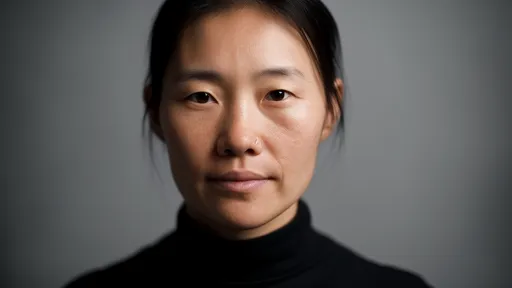
The beauty industry has long been dominated by the pursuit of flawless skin, airbrushed to perfection in magazines and filtered beyond recognition on social media. But a quiet revolution is brewing—one that celebrates the raw, unfiltered reality of human skin. The #NoMakeup movement, often dubbed the "bare-faced rebellion," is challenging conventional beauty standards by embracing acne scars, hyperpigmentation, and texture as marks of individuality rather than imperfections to be concealed.
At its core, this movement isn’t just about skipping foundation or posting a selfie without retouching. It’s a radical reclamation of self-worth, a refusal to apologize for the skin we’re in. Celebrities like Alicia Keys and Lena Dunham have lent their voices to the cause, but the real momentum comes from everyday people flooding timelines with close-ups of their uneven complexions—stretch marks shimmering in sunlight, rosacea flares framed as abstract art. Dermatologists note an ironic twist: while skincare sales boom, the conversation has shifted from correction to celebration.
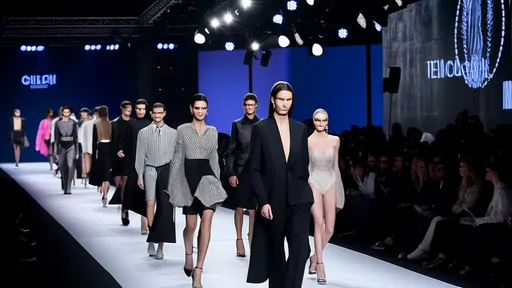
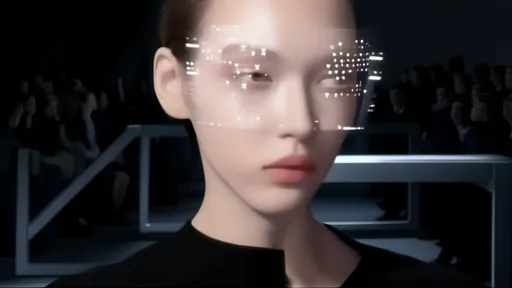
Fashion runways, once bastions of unattainable glamour, now spotlight models with visible psoriasis or vitiligo. Designers like Marine Serre cast individuals whose skin tells a story, pairing dewy, makeup-free faces with avant-garde silhouettes. This aesthetic collision—high fashion meets human authenticity—resonates deeply in an era fatigued by curated perfection. Editorial spreads that once relied on heavy retouching now feature close-ups of peach fuzz and laugh lines, shot with the same reverence once reserved for poreless mannequin skin.
The psychological impact is profound. A 2023 study in the Journal of Social Psychology found that participants exposed to unretouched imagery reported higher self-esteem compared to those viewing traditional beauty media. Yet the movement faces backlash from sectors invested in the $500 billion beauty industry. Critics dismiss it as a passing trend or, worse, accuse advocates of "promoting poor hygiene"—a lazy conflation of natural skin with neglect. Meanwhile, skincare brands scramble to rebrand, swapping "anti-aging" serums for "radiance-boosting" elixirs while quietly maintaining the same fear-based marketing.
Social media algorithms initially suppressed bare-faced content, favoring the high-contrast glamour that drives engagement. But users fought back, creating alternative hashtags like #SkinPositive and #FilterDrop to bypass censorship. The grassroots energy recalls early punk’s DIY ethos—except instead of safety-pinned clothing, the rebellion unfolds through unapologetic close-ups of hormonal acne or sunspots. Teenagers, the demographic most brutalized by beauty standards, are leading the charge, organizing "acne pride" meetups and pressuring schools to ban makeup requirements.
What emerges is a new lexicon of beauty—one where "flaws" become fingerprints, where skincare routines focus on health rather than concealment. The revolution isn’t about rejecting makeup entirely (many participants enjoy it as creative expression), but about dismantling the mandate to wear it. As writer Roxane Gay tweeted during a recent viral debate: "My face is not a negotiation." In this cultural moment, skin ceases to be a canvas awaiting improvement. It stands, boldly, as the masterpiece itself.
By /Aug 13, 2025

By /Aug 13, 2025
By /Aug 13, 2025
By /Aug 13, 2025
By /Aug 13, 2025
By /Aug 13, 2025

By /Aug 13, 2025
By /Aug 13, 2025
By /Aug 13, 2025
By /Aug 13, 2025

By /Aug 13, 2025
By /Aug 13, 2025
By /Aug 13, 2025
By /Aug 13, 2025

By /Aug 13, 2025
By /Aug 13, 2025
By /Aug 13, 2025
By /Aug 13, 2025

By /Aug 13, 2025
By /Aug 13, 2025
