The fashion world is no stranger to unexpected pairings, but the latest trend blending delicate lace with rugged leather in gloves has sent ripples through the industry. This bold juxtaposition of textures—soft versus hard, feminine versus edgy—creates a striking visual tension that designers are calling "the ultimate style paradox."
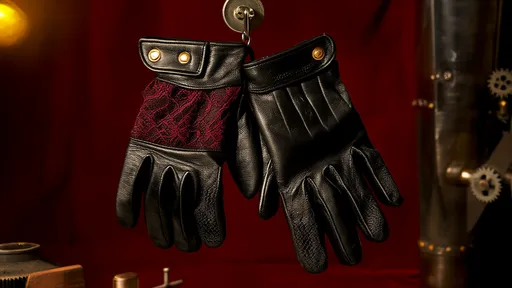
At first glance, lace and leather seem like unlikely companions. Lace, with its intricate patterns and airy transparency, evokes romance and vintage charm. Leather, on the other hand, carries connotations of rebellion and durability. Yet when combined in glove designs, these contrasting materials create a harmony that feels both fresh and timeless. The interplay between the two fabrics allows for endless variations—fingerless leather gloves with lace cuffs, sheer lace backs reinforced with leather palms, or even laser-cut leather patterns that mimic traditional lace motifs.
The resurgence of glove fashion has been building momentum over several seasons, but this particular fusion marks a significant departure from conventional approaches. Where gloves were once considered purely functional or relegated to formal occasions, contemporary iterations blur the lines between accessory and statement piece. Fashion historian Eleanor Whitmore notes, "We're seeing gloves reclaim their position as intentional fashion elements rather than afterthoughts. The lace-and-leather combination particularly resonates because it encapsulates our cultural moment—a desire to embrace complexity and reject binary thinking in personal style."
Design houses are approaching this trend with remarkable creativity. Some collections feature opera-length lace gloves with leather reinforcements at stress points, creating a subtle armor effect. Others invert the expected proportions, using leather as the primary material with strategic lace insets that reveal flashes of skin. The color palette ranges from classic black-on-black combinations to more daring contrasts—oxblood leather with ecru lace, or even metallic leather paired with brightly colored lace for those seeking maximum impact.
What makes this trend particularly compelling is its versatility across contexts. The same pair of lace-and-leather gloves might complement a biker jacket at a music festival, add edge to a cocktail dress at an evening event, or provide an unexpected twist to office attire when paired with a structured blazer. This adaptability speaks to the modern consumer's demand for pieces that transition seamlessly between different aspects of their lives.
The craftsmanship behind these hybrid gloves deserves special attention. Merging two such disparate materials requires innovative construction techniques. Many designers employ specialized bonding methods to ensure the lace doesn't tear at stress points, while others use quilted stitching that becomes part of the decorative element. Some avant-garde versions even incorporate temperature-responsive materials that cause the leather to slightly contract in cold weather, making the underlying lace patterns more pronounced—a perfect marriage of form and function.
Beyond aesthetics, the trend reflects broader shifts in fashion philosophy. The combination of lace and leather in gloves mirrors society's growing comfort with expressing multiple facets of identity simultaneously. Just as the gloves balance delicacy and strength, modern consumers increasingly reject being boxed into singular style categories. This sartorial fluidity allows individuals to project different aspects of their personality through thoughtful accessory choices.
As with any bold trend, styling these statement gloves requires some consideration. Fashion editors suggest balancing the visual weight—if the gloves feature substantial leather elements, pairing them with lighter fabrics prevents the look from becoming too heavy. Conversely, delicate lace gloves gain presence when contrasted with structured outerwear. The most successful outfits often let the gloves take center stage by keeping other accessories minimal, allowing the intricate interplay of textures to shine.
The trend shows no signs of slowing as we move into fall collections. Early previews reveal even more adventurous interpretations, including gloves that transition from lace to leather mid-arm, and three-dimensional designs where lace appliqués float over leather bases. Some designers are experimenting with sustainable versions, using plant-tanned leathers and recycled lace materials—a nod to the industry's increasing environmental consciousness.
Ultimately, the lace-and-leather glove trend represents more than just another seasonal fad. It embodies fashion's endless capacity for reinvention by finding new possibilities in unexpected combinations. These gloves don't just accessorize an outfit—they tell a story about contrast, balance, and the beauty that emerges when opposites attract. As consumers continue to embrace complexity in their personal style, such thoughtful juxtapositions will likely become mainstays rather than novelties in the fashion landscape.
By /Aug 13, 2025

By /Aug 13, 2025

By /Aug 13, 2025
By /Aug 13, 2025

By /Aug 13, 2025
By /Aug 13, 2025

By /Aug 13, 2025
By /Aug 13, 2025

By /Aug 13, 2025

By /Aug 13, 2025

By /Aug 13, 2025

By /Aug 13, 2025

By /Aug 13, 2025
By /Aug 13, 2025

By /Aug 13, 2025

By /Aug 13, 2025

By /Aug 13, 2025
By /Aug 13, 2025

By /Aug 13, 2025
By /Aug 13, 2025
