The world of luxury goods operates on an entirely different economic paradigm than mainstream consumer products. Behind the polished storefronts and artfully crafted advertisements lies a complex pricing strategy that blends tangible craftsmanship with intangible desire. The relationship between production costs and retail prices in this sector often defies conventional business logic, creating what economists call "the luxury paradox."
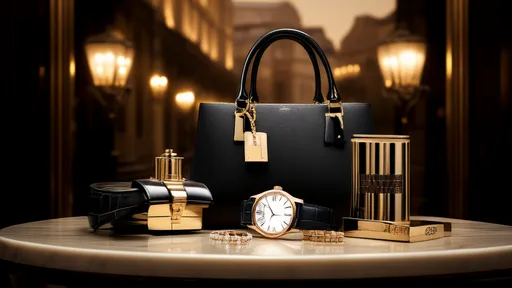
At first glance, the markup on luxury items appears astronomical. A leather handbag that costs $200 to manufacture might retail for $2,000, while a mechanical watch with $800 in components could command $15,000. These staggering multiples have fueled both fascination and criticism from industry outsiders. However, the true anatomy of luxury pricing reveals a more nuanced story about value creation in premium markets.
The manufacturing cost of any luxury item represents just the foundation of its ultimate price. Exquisite materials certainly contribute - whether it's Italian calfskin leather, Siberian cashmere, or conflict-free diamonds. Yet material inputs typically account for only 15-25% of the final retail price across most luxury categories. The real cost multipliers emerge from elements that don't appear on any bill of materials.
Consider the development cycle of a premium fragrance. The liquid itself might cost $5 per bottle to produce, while the packaging adds another $15. Yet the perfume sells for $300. This 1,500% markup funds decades of olfactory research, the perfumer's artistic vision, and the maintenance of sprawling rose fields in Grasse. Luxury pricing essentially converts intangible heritage into tangible value.
Brand equity functions as the invisible driver of luxury premiums. Companies like Hermès or Rolex have spent generations - and billions in marketing dollars - cultivating perceptions of exclusivity. Their price tags include what economists term "goodwill amortization," essentially charging customers for the privilege of brand association. This explains why two technically similar watches can have tenfold price differences based solely on the name on the dial.
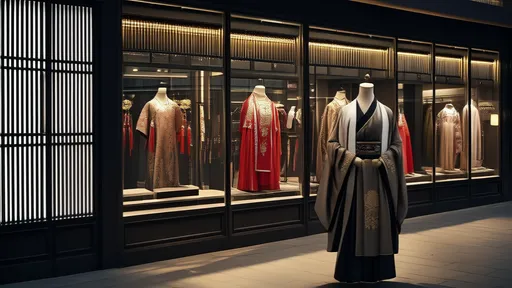
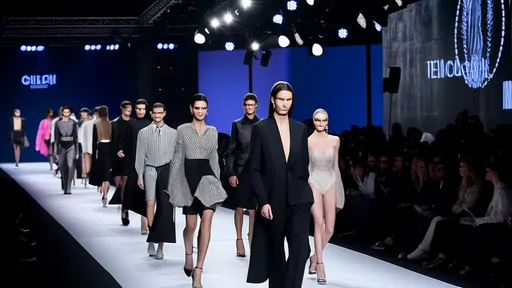
The retail environment itself becomes part of the product's value proposition. Luxury brands invest heavily in flagship stores designed by star architects, staffed by impeccably trained associates, and located on the world's most expensive shopping streets. These operational costs get factored into pricing structures. When you purchase a designer gown, you're partly paying for the marble floors and chandeliers of the boutique where you tried it on.
Limited availability serves as another critical pricing lever. Unlike mass-market goods that benefit from economies of scale, true luxury items often become more valuable through artificial scarcity. Special edition handbags with waiting lists, watches with annual production caps, and made-to-order couture all employ constrained supply to justify premium pricing. This calculated rarity transforms products into appreciating assets rather than depreciating purchases.
The psychology of pricing plays an equally important role in luxury markets. Research shows that consumers actually perceive higher-priced items as more desirable, creating a self-reinforcing cycle. Brands carefully construct price architectures that maintain social signaling value - ensuring their products remain inaccessible enough to confer status, but available enough to drive profits. This delicate balance explains why some brands destroy unsold merchandise rather than discount it.
Cultural capital represents another hidden cost factored into luxury pricing. When you buy a Savile Row suit, you're purchasing centuries of British tailoring tradition. A French luxury champagne brand sells not just fermented grapes, but the accumulated prestige of royal endorsements and historic events. These narrative elements command substantial premiums that rational cost analysis cannot explain.
Interestingly, the digital age has intensified rather than diminished luxury pricing power. While e-commerce increased price transparency for ordinary goods, luxury brands have successfully maintained their pricing authority online. Limited edition drops and virtual showrooms have adapted exclusivity for the internet era. The most sought-after items now sell out within minutes online - often at prices exceeding their physical store counterparts.
The aftermarket plays a surprising role in shaping primary luxury pricing as well. Brands monitor resale values as a key performance indicator, knowing strong secondary markets validate and enhance their retail pricing power. Items that appreciate on platforms like The RealReal or WatchBox give brands confidence to push price increases season after season.
Ultimately, luxury pricing reflects an alchemy of craftsmanship, storytelling, and consumer psychology that transcends conventional cost-plus models. While the sticker shock might seem irrational to outsiders, these pricing strategies have proven remarkably resilient across economic cycles. The most successful luxury brands understand they're not selling products - they're selling dreams, and dreams have always commanded their own peculiar economics.
As consumer values evolve toward sustainability and authenticity, luxury pricing faces new challenges and opportunities. Brands that can demonstrate genuine artistry, ethical sourcing, and multigenerational quality will likely strengthen their pricing power. Meanwhile, those relying solely on logo recognition may find today's discerning consumers less willing to pay traditional premiums. The alchemy of luxury value creation continues evolving, but its fundamental principle remains: true luxury isn't priced - it's valued.

By /Aug 13, 2025
By /Aug 13, 2025

By /Aug 13, 2025
By /Aug 13, 2025
By /Aug 13, 2025
By /Aug 13, 2025

By /Aug 13, 2025
By /Aug 13, 2025
By /Aug 13, 2025

By /Aug 13, 2025

By /Aug 13, 2025

By /Aug 13, 2025

By /Aug 13, 2025
By /Aug 13, 2025

By /Aug 13, 2025

By /Aug 13, 2025

By /Aug 13, 2025
By /Aug 13, 2025

By /Aug 13, 2025

By /Aug 13, 2025
