Exercise Recommendations for Indoor and Outdoor Activities for Patients with Allergic Rhinitis

Aug 25, 2025 By

For the millions navigating life with allergic rhinitis, the simple joy of movement often comes with complex considerations. The very act of breathing deeply during exercise can feel like a gamble when pollen counts are high or dust mites are lurking. However, the notion that allergic rhinitis should be a barrier to an active lifestyle is a misconception that needs to be dismantled. With thoughtful planning, strategic choices, and a deeper understanding of one's triggers, physical activity can transform from a potential trigger into a powerful tool for managing symptoms and enhancing overall well-being. This guide delves into the nuanced world of exercise for allergic individuals, offering a comprehensive roadmap for moving with confidence, both indoors and out.

The relationship between allergic rhinitis and exercise is not a simple cause-and-effect but rather a dynamic interplay. On one hand, physical exertion can sometimes exacerbate symptoms. The increased respiratory rate during cardio activities draws more air—and consequently, more allergens—into the nasal passages. This can lead to immediate congestion, sneezing, and itchy eyes. Furthermore, for some, exercise itself can be a trigger in the form of exercise-induced rhinitis, a condition characterized by a runny nose solely due to physical activity, though this is distinct from allergen-triggered responses. On the other hand, regular, moderate exercise boasts significant anti-inflammatory benefits and can strengthen the immune system over time. It improves cardiovascular health, reduces stress (a known aggravator of allergic reactions), and promotes better sleep, all of which contribute to a more resilient system better equipped to handle allergic insults. The key, therefore, lies not in avoidance, but in intelligent adaptation.

When the great outdoors calls, the allergic individual must become a keen observer of their environment. The first and most crucial step is to become intimately familiar with local pollen forecasts. Various reliable weather apps and websites provide detailed daily and hourly breakdowns of pollen types (tree, grass, weed) and their levels. Generally, pollen counts are at their peak during the early morning and on days that are warm, dry, and windy. Scheduling runs, cycles, or hikes for later in the afternoon or evening, after counts have subsided, can make a world of difference. Similarly, the period following a rain shower is often an excellent window for outdoor activity, as the precipitation helps to cleanse the air of pollen temporarily.

Location selection is another powerful tool. While it might be tempting to jog through a flowering meadow or a dense forest, these are high-risk zones for someone with pollen allergies. Opting for urban routes, coastal paths where sea breezes blow pollen away, or simply staying in more open, paved areas can drastically reduce exposure. Wearing the right gear is also a simple yet effective strategy. Wraparound sunglasses can shield eyes from both pollen and irritants, while a hat can prevent pollen from settling in your hair. For those with severe symptoms, consider a specific face mask designed to filter allergens; these have become more common and comfortable. Most importantly, the moment you return indoors, the decontamination process should begin. Showering immediately is paramount, washing pollen from your skin and hair. Change into fresh clothes to avoid spreading allergens around your home, and consider using a saline nasal rinse to flush out any irritants from your nasal passages.

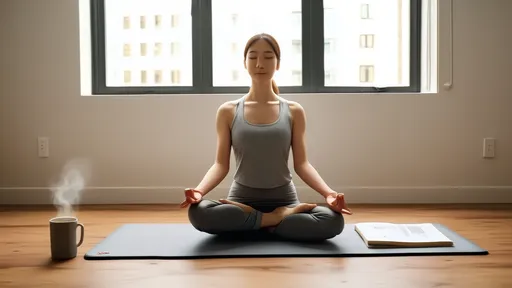
The great indoors offers a controlled sanctuary for exercise, free from the whims of pollen counts and weather. For many with severe allergic rhinitis, or during peak allergy seasons, moving workouts inside is the most reliable strategy for consistent, symptom-free activity. However, the indoor environment comes with its own set of potential triggers, primarily dust mites, mold, and pet dander. The foundation of a safe indoor workout space is cleanliness. If you are using a home gym, ensure the room is well-ventilated and dusted regularly. Hard flooring is preferable to carpet, which can harbor dust mites. If using an exercise mat, clean it frequently with appropriate solutions.

For those who prefer the community and equipment of a public gym, diligence is required. While modern gyms are often climate-controlled, they can be hotspots for dust and dander circulating through HVAC systems. If your gym offers classes in a dedicated studio, that might be a cleaner environment than the main floor. Always wipe down equipment thoroughly before and after use, not only for hygiene but to remove potential allergens left by previous users. Perhaps the most significant advantage of the indoor environment is the ability to control air quality. Investing in a high-quality air purifier with a HEPA filter for your home workout space can capture over 99% of airborne particles, including pollen, dust, and pet dander, creating a clean-air bubble for you to exercise in. Maintaining an indoor humidity level between 30% and 50% is also crucial, as this range helps to suppress dust mite populations and prevent mold growth.

Regardless of the setting, certain universal practices can optimize any workout for the allergic athlete. The principle of gradual warm-ups and cool-downs is especially important. Suddenly launching into high-intensity exercise can shock the system and trigger symptoms, while a gentle warm-up prepares the respiratory system for increased demand. Hydration is another non-negotiable element. Drinking plenty of water before, during, and after exercise keeps mucosal membranes in the nasal passages moist, making them more effective at trapping and clearing allergens before they can cause a reaction.

It is also vital to listen to your body with heightened awareness. Distinguish between the normal discomfort of physical exertion and the specific signs of an allergic reaction. If you experience sudden, significant nasal congestion, wheezing, or intense itching, it is your body signaling you to slow down or stop. Do not push through a full-blown allergic reaction. Carrying quick-relief medication, such as an antihistamine or a prescribed nasal spray, in your gym bag is a prudent safety measure for managing unexpected symptoms. For those whose allergies are closely linked to asthma (a condition known as allergic asthma), having a rescue inhaler readily available during exercise is essential. A proactive approach to medication is often the best strategy. If you know you will be exercising outdoors on a day with moderate pollen counts, taking your non-drowsy antihistamine an hour beforehand can provide a protective effect, mitigating the body's response to the allergens you will encounter.

Living with allergic rhinitis requires a proactive and informed approach to life's activities, and exercise is no exception. It is not about building a life of limitations but about constructing one of intelligent choices. By marrying an understanding of your personal triggers with strategic planning—checking forecasts, choosing the right time and place, and utilizing indoor sanctuaries—you can reclaim the freedom of movement. Embracing supportive practices like proper hydration, immediate post-workout hygiene, and prudent medication use empowers you to take control. Ultimately, the goal is to harness the profound benefits of exercise, from reduced inflammation to improved mental health, to build a stronger, more resilient you, capable of thriving in any season.
Recommend Posts
Fitness

The Fusion of Vintage Fitness Equipment with Modern Technology

By /Aug 25, 2025

In an age where sleek touchscreens and algorithm-driven workouts dominate fitness culture, an unexpected revolution is quietly gathering momentum. The clank of iron and the satisfying resistance of manual mechanisms are making a remarkable comeback, not as relics of a bygone era, but as sophisticated hybrids marrying timeless design with cutting-edge technology. This movement transcends mere nostalgia; it represents a fundamental rethinking of what it means to be strong, connected, and healthy in the modern world.
Fitness

The Story and Significance Behind the Logos of Sports Brands

By /Aug 25, 2025

In the world of sports, logos are far more than mere decorative elements slapped onto jerseys and merchandise. They are visual embodiments of legacy, ambition, and identity. The stories behind these iconic symbols often reveal the very soul of the brands they represent, weaving together tales of humble beginnings, revolutionary ideas, and the relentless pursuit of greatness. To understand a brand's logo is to understand its journey, its ethos, and the silent promise it makes to every athlete and consumer who bears its mark.
Fitness

Fitness Scenes in Movies: Authenticity and Artistic Embellishment

By /Aug 25, 2025

In the dim glow of a theater or the comfort of our living rooms, we’ve all witnessed those iconic movie moments where a character undergoes a physical transformation or performs a breathtaking feat of strength. From the sweat-drenched, gritty training montages of Rocky Balboa sprinting up the Philadelphia Museum of Art steps to the hyper-stylized, almost balletic combat preparations in The Matrix, fitness on screen occupies a unique space between inspiration and pure spectacle. These scenes are not merely filler; they are narrative devices, character builders, and often, the emotional core of a story. But how much of what we see is grounded in physiological reality, and how much is clever artistic fabrication designed to serve the story?
Fitness

Biomimicry in Animal Locomotion: From Cheetah Runs to Crab Walks

By /Aug 25, 2025

In the intricate dance of evolution, nature has perfected movements that are both efficient and awe-inspiring. The study of animal locomotion has long fascinated scientists and engineers, leading to a field known as biomimicry—where human innovation draws inspiration from biological systems. From the blistering sprint of the cheetah to the peculiar sideways scuttle of the crab, each movement tells a story of adaptation and survival. These natural marvels are not just curiosities; they are blueprints for advancements in robotics, transportation, and even medical devices.
Fitness

The Evolution of Classic Exercises: From Ancient Greece to Modern Gyms

By /Aug 25, 2025

The story of physical movement as a form of structured exercise is as old as civilization itself, yet its evolution reveals a fascinating tapestry of cultural values, scientific understanding, and shifting human aspirations. It is a journey that begins not in a mirrored room filled with chrome equipment, but in the dusty arenas of ancient Greece, where the cult of the body was inextricably linked to ideals of virtue, beauty, and military prowess.
Fitness

A Compilation of Unique Traditional Fitness Practices from Around the World

By /Aug 25, 2025

From the icy fjords of Scandinavia to the bustling streets of Mumbai, humanity has devised countless ways to stay fit that transcend the familiar treadmill or weight rack. These traditions, often woven into the cultural fabric of societies, offer a fascinating glimpse into how physical wellness is perceived and practiced around the globe. They are not merely exercises; they are rituals, community gatherings, and sometimes, a form of moving meditation that has been passed down through generations.
Fitness

Sports Trivia: Why Do Some People's Faces Turn Red After Exercise?

By /Aug 25, 2025

Have you ever noticed how some people's faces turn a vivid shade of crimson after a workout, while others seem to maintain their usual complexion? This common yet curious phenomenon isn't just about fitness levels or exertion—it's a fascinating interplay of physiology, genetics, and individual bodily responses. The sight of a flushed face post-exercise often sparks curiosity, and understanding the science behind it reveals much about how our bodies regulate internal processes under stress.
Fitness

Energy System Supply Characteristics of Different Sports

By /Aug 25, 2025

As athletes push their bodies to the limit, the intricate dance of energy production within their muscles determines performance outcomes across different sports. The human body operates like a hybrid engine, seamlessly switching between three distinct energy systems to meet the varied demands of athletic exertion. Understanding these systems provides fascinating insight into why a marathon runner trains differently from a weightlifter, and why a soccer player's fatigue manifests differently than a gymnast's.
Fitness

How to Elegantly Decline Unhealthy Dining Invitations

By /Aug 25, 2025

In the modern social landscape, the invitation to dine out has become a common thread weaving through both personal and professional relationships. While breaking bread together can foster connection and camaraderie, it often presents a dilemma for those committed to maintaining a healthy lifestyle. The aroma of sizzling fried foods, the allure of decadent desserts, and the social pressure to indulge can derail even the most disciplined individuals. However, navigating these situations with grace and tact is not only possible but essential for preserving both your health goals and your social connections.
Fitness

The Positive Impact and Misconceptions of Sports Community Culture

By /Aug 25, 2025

In the bustling digital age, the emergence of fitness communities has reshaped how individuals approach health and wellness. These groups, often formed around shared goals or interests, foster a sense of camaraderie and accountability that can be transformative. Members find motivation in collective achievements, celebrating milestones together and offering support during setbacks. This communal energy often turns solitary pursuits into social experiences, making fitness more accessible and enjoyable for many.
Fitness

Anchoring Exercise Habits in Daily Routines

By /Aug 25, 2025

In the relentless pursuit of health and wellness, the greatest challenge often isn't starting an exercise regimen but making it an unshakable part of our daily existence. We've all been there—the initial burst of motivation, the new workout gear, the meticulously planned schedule—only to watch it all fade as life's inevitable demands creep in. The secret to transcending this cycle lies not in finding more time or summoning superhuman willpower, but in a powerful psychological strategy known as habit anchoring. This approach moves exercise from being a standalone task we must remember to do, to becoming an automatic, non-negotiable extension of our existing daily routines.
Fitness

Coping with the Deload" Week in Training Platform Period

By /Aug 25, 2025

In the relentless pursuit of progress, athletes and dedicated gym-goers often subscribe to a philosophy of more—more weight, more reps, more intensity. This drive is the engine of improvement, forging strength and resilience with every grueling session. Yet, woven into the very fabric of this process is an inevitable and often frustrating reality: the plateau. Progress stalls. The weights that once felt challenging now feel impossibly heavy, and motivation can wane in the face of stagnant results. It is within this context that the concept of the deload week emerges not as a sign of surrender, but as a sophisticated and strategic tool for long-term advancement.
Fitness

Visualizing Perfect Movements: Mental Rehearsal for Peak Performance

By /Aug 25, 2025

In the world of high-performance sports, arts, and even everyday skill acquisition, a powerful mental technique has been quietly revolutionizing how individuals prepare for success. This method, known by various names such as mental rehearsal, visualization, or cognitive pre-performance, involves the intricate process of running through a perfect sequence of actions within the safe confines of one's mind. It is a form of training that requires no physical equipment, no specific location, and yet, its impact on real-world performance can be profound and, at times, astonishing.
Fitness

Psychological Application of Fitness App Achievement Systems

By /Aug 25, 2025

In the digital age, fitness applications have become ubiquitous companions for health enthusiasts and casual exercisers alike. Beyond their basic function of tracking physical activity, these apps employ sophisticated achievement systems rooted in psychological principles to motivate, engage, and retain users. The integration of gamification and behavioral psychology transforms mundane workouts into compelling experiences, tapping into fundamental human drives for accomplishment and recognition.
Fitness

Music BPM Matching App for Running Cadence

By /Aug 25, 2025

In the ever-evolving landscape of fitness technology, a new breed of applications has emerged, seamlessly blending the rhythm of music with the cadence of running. These innovative apps are designed to synchronize the beats per minute (BPM) of a user's music library with their optimal running stride, creating a harmonious and potentially performance-enhancing experience. The concept is simple yet profound: by aligning musical tempo with physical movement, runners can achieve a more natural, efficient, and enjoyable workout.
Fitness

Alternative Metrics for Assessing Progress on Non-Weighing Days

By /Aug 25, 2025

In the pursuit of health and fitness goals, many individuals become fixated on the number staring back at them from the scale. While weight can be a useful data point, it is a notoriously fickle and often misleading metric. It fails to capture the nuanced, multifaceted nature of true progress, which encompasses changes in body composition, strength, endurance, and overall well-being. Relying solely on this single measure can lead to frustration, demotivation, and a distorted view of one's journey. The scale does not differentiate between a pound of fat and a pound of muscle, nor does it reflect improvements in metabolic health, mental clarity, or energy levels. To cultivate a healthier, more sustainable relationship with our goals, it is imperative to look beyond weight and embrace a broader spectrum of indicators that truly measure advancement.
Fitness

Effective Mechanisms for Mutual Supervision Among Training Partners

By /Aug 25, 2025

In the realm of personal and professional development, the concept of training partnerships has emerged as a powerful tool for fostering growth, accountability, and sustained progress. At its core, this approach leverages the innate human desire for connection and mutual support, creating a structured environment where individuals can thrive together. The effectiveness of such partnerships lies not merely in shared goals but in the intricate web of mutual supervision that underpins them. This dynamic transforms solitary efforts into collaborative journeys, making challenges more manageable and successes more meaningful.
Fitness

The Five-Minute Start" Rule for Exercise Procrastination

By /Aug 25, 2025

It happens to the best of us. The alarm goes off an hour early, perfectly timed for that morning run you promised yourself. Or perhaps the evening rolls around, and the yoga mat lies unrolled in the corner, a silent accusation. The intention was pure, the plan was solid, but the execution is halted by an invisible, powerful force. This is the familiar grip of exercise procrastination, a mental barrier that feels as immovable as a mountain. We negotiate with ourselves, we rationalize, we delay. "I'll do it later," we whisper, a mantra for inertia. But what if the key to scaling this mountain wasn't a giant leap, but a single, small, almost insignificant step?
Fitness

Silent Training Program for Small Apartment Dwellers

By /Aug 25, 2025

In the heart of the urban landscape, where space is a premium and walls seem to whisper the secrets of neighboring lives, the quest for quietude becomes a central challenge for small apartment dwellers. The constant hum of city life, the muffled television through a shared wall, the footsteps from the apartment above—these are the familiar symphonies of communal living that can disrupt focus, hinder relaxation, and fracture peace. For those committed to a fitness journey, this acoustic environment presents a unique hurdle: how does one engage in effective physical training without contributing to the noise pollution or, worse, incurring the ire of neighbors? The answer lies not in abandoning your fitness goals but in embracing a philosophy of silent training—a mindful approach to movement that prioritizes control, precision, and harmony with your living space.
Fitness

Exercise Recommendations for Indoor and Outdoor Activities for Patients with Allergic Rhinitis

By /Aug 25, 2025

For the millions navigating life with allergic rhinitis, the simple joy of movement often comes with complex considerations. The very act of breathing deeply during exercise can feel like a gamble when pollen counts are high or dust mites are lurking. However, the notion that allergic rhinitis should be a barrier to an active lifestyle is a misconception that needs to be dismantled. With thoughtful planning, strategic choices, and a deeper understanding of one's triggers, physical activity can transform from a potential trigger into a powerful tool for managing symptoms and enhancing overall well-being. This guide delves into the nuanced world of exercise for allergic individuals, offering a comprehensive roadmap for moving with confidence, both indoors and out.