In an age where sleek touchscreens and algorithm-driven workouts dominate fitness culture, an unexpected revolution is quietly gathering momentum. The clank of iron and the satisfying resistance of manual mechanisms are making a remarkable comeback, not as relics of a bygone era, but as sophisticated hybrids marrying timeless design with cutting-edge technology. This movement transcends mere nostalgia; it represents a fundamental rethinking of what it means to be strong, connected, and healthy in the modern world.
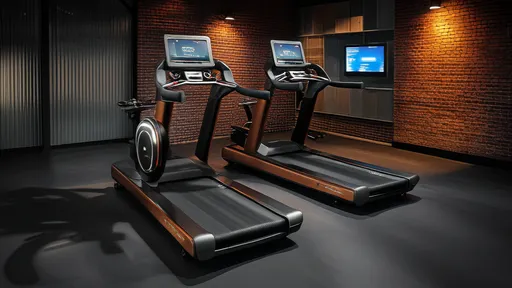
The allure of vintage fitness equipment is undeniable. There's a tangible, almost visceral quality to using a barbell with real iron plates, a wooden cable pulley system, or a classic rowing machine. These tools demand a focus and intentionality that can sometimes be lost in the whir of a motorized treadmill displaying a dozen different metrics. Users speak of a deeper mind-muscle connection, a raw feedback that comes from controlling the weight path entirely through their own effort and stabilizer muscles. This stands in stark contrast to many modern machines that guide movement along a fixed, predetermined path, potentially isolating muscles but sometimes at the expense of functional strength and kinetic awareness.
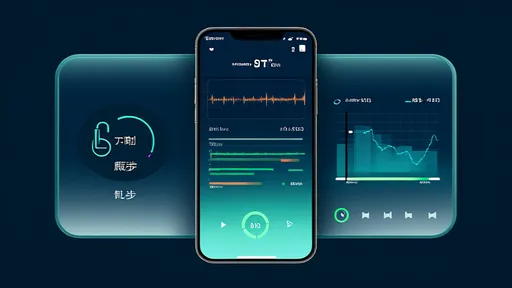
However, to dismiss modern technology as antithetical to effective training would be a profound mistake. The rise of wearable tech, from humble fitness trackers to advanced heart rate monitors and GPS watches, has democratized data. Athletes and casual gym-goers alike now have unprecedented insight into their performance, recovery, and overall health metrics. This data-driven approach allows for precise programming, goal tracking, and a level of personalization that was unimaginable a generation ago. The challenge, and now the opportunity, lies not in choosing one paradigm over the other, but in synthesizing them into a cohesive and superior training experience.
This synthesis is where the true innovation is happening. Imagine a classic, belt-driven exercise bike, the kind found in gyms decades ago. Its simplicity is its virtue: a heavy flywheel, a straightforward resistance mechanism, and a direct, physical connection to the effort. Now, integrate into this timeless design a silent, internal sensor that tracks RPM, power output in watts, and total distance. Pair this data stream via Bluetooth to a tablet mounted on the handlebars, running software that can simulate the hills of the French countryside or track your progress against a previous personal best. The soul of the workout remains physical and gritty, but it is now informed by real-time, actionable data. The user is no longer just pedaling; they are engaging in a quantified, goal-oriented session without sacrificing the authentic feel of the machine.
The concept extends far beyond stationary bikes. Consider the humble kettlebell, a cannonball with a handle whose design has remained largely unchanged for centuries. Today, smart kettlebells equipped with embedded sensors can count reps, track swing speed and power, and even monitor rest periods, syncing everything to a coaching app that ensures proper form and progressive overload. Similarly, modern smart strength trainers are reimagining the classic cable crossover machine. They retain the smooth, variable resistance of steel cables and pulleys but overlay a digital interface that allows users to select weight with the touch of a button, log every set automatically, and follow guided workouts that demonstrate proper form on an integrated screen.
This fusion is also breathing new life into calisthenics and bodyweight training. Outdoor gyms with simple pull-up bars and parallel dip stations are being upgraded with weatherproof touchscreens and QR codes. Scanning a code with a smartphone can launch a tutorial video demonstrating advanced movements, track repetition counts through phone sensors, and create a digital log of the workout. This brings structure and tracking to the most fundamental and ancient form of exercise, connecting the community aspect of outdoor training with the accountability of digital record-keeping.
The benefits of this retro-tech fusion are multifaceted. From a psychological perspective, these hybrid machines offer a compelling antidote to the distraction and disconnection that can plague modern workouts. The physical, mechanical nature of the equipment grounds the user in the present moment, fostering mindfulness and reducing the temptation to scroll through a phone. The tangible feedback—the strain in the muscles, the sound of the chain, the inertia of the flywheel—creates a more immersive and satisfying experience. This can lead to greater consistency and long-term adherence to a fitness regimen.
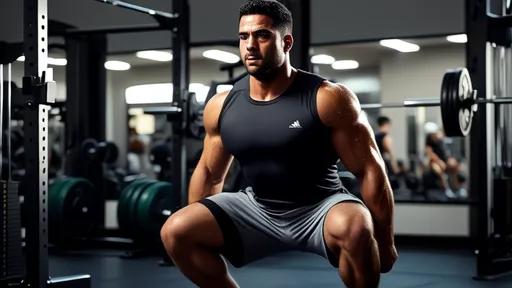
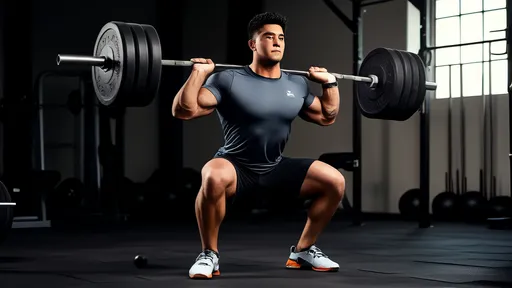
From a performance standpoint, the marriage of analog feel and digital intelligence is unbeatable. Athletes can reap the benefits of training on equipment that builds robust, functional strength and stability while simultaneously having every crucial metric recorded with precision. A wrestler training on a classic sled push can now know exactly how much power they're generating with each drive of their legs. A rower on a vintage-style concept2 rower, already a masterpiece of analog-digital design, can analyze their stroke rate and efficiency down to the minutest detail. This allows for highly targeted coaching and optimization that was previously reserved for elite laboratories.
Furthermore, this trend champions sustainability and longevity. High-quality vintage equipment was often built to last generations, constructed from steel and iron rather than plastic and planned obsolescence. By retrofitting these durable frames with modern sensors and software, manufacturers and consumers are creating products that are not only effective but also environmentally conscious. It’s a "buy it for life" ethos, updated for the 21st century.
In conclusion, the fitness landscape is not simply moving forward in a linear fashion; it is evolving by looking backward and integrating the best of both worlds. The fusion of retro exercise equipment with modern technology is creating a new gold standard for training tools. They satisfy the human desire for authentic, tactile experiences while fulfilling the modern need for data, guidance, and connectivity. This is more than a trend; it is the maturation of the fitness industry, offering a smarter, more mindful, and ultimately more human way to pursue strength and well-being. The future of fitness isn't just digital; it's beautifully, intelligently analog.
By /Aug 25, 2025

By /Aug 25, 2025
By /Aug 25, 2025

By /Aug 25, 2025

By /Aug 25, 2025

By /Aug 25, 2025

By /Aug 25, 2025

By /Aug 25, 2025

By /Aug 25, 2025

By /Aug 25, 2025

By /Aug 25, 2025
By /Aug 25, 2025

By /Aug 25, 2025

By /Aug 25, 2025
By /Aug 25, 2025

By /Aug 25, 2025

By /Aug 25, 2025

By /Aug 25, 2025

By /Aug 25, 2025

By /Aug 25, 2025
