In the heart of the urban landscape, where space is a premium and walls seem to whisper the secrets of neighboring lives, the quest for quietude becomes a central challenge for small apartment dwellers. The constant hum of city life, the muffled television through a shared wall, the footsteps from the apartment above—these are the familiar symphonies of communal living that can disrupt focus, hinder relaxation, and fracture peace. For those committed to a fitness journey, this acoustic environment presents a unique hurdle: how does one engage in effective physical training without contributing to the noise pollution or, worse, incurring the ire of neighbors? The answer lies not in abandoning your fitness goals but in embracing a philosophy of silent training—a mindful approach to movement that prioritizes control, precision, and harmony with your living space.
The concept of silent training transcends the mere act of being quiet; it is a holistic practice that integrates body awareness, equipment choices, and environmental adjustments. It begins with a shift in mindset. Traditional workouts often emphasize explosive power, heavy impacts, and vigorous movements—all natural producers of sound. Silent training, by contrast, champions the slow burn. It draws inspiration from disciplines like Pilates, yoga, and controlled calisthenics, where the focus is on muscular engagement and perfect form rather than speed or external load. This method is not a compromise on intensity; in fact, the deep, sustained muscle activation required can lead to significant gains in strength, stability, and endurance. The primary goal is to make your workout virtually undetectable to anyone outside your four walls, turning your apartment into a personal, peaceful sanctuary of health.
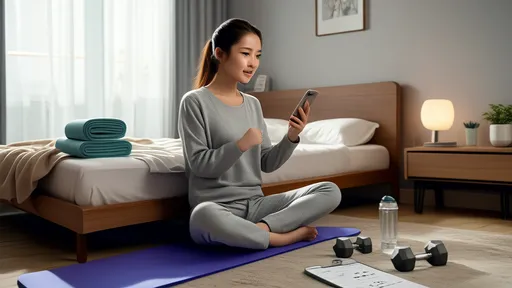
Before diving into specific exercises, the foundation of any good silent routine is a proper surface. Hard flooring can amplify even the smallest vibration. Investing in a high-quality, dense exercise mat is non-negotiable. Look for mats that are specifically designed for sound dampening and shock absorption, often thicker than standard yoga mats. This single piece of equipment will be your first and most important line of defense against transmitting impact through the building's structure. Additionally, consider the time of day. Even the quietest routine can be heard in the dead of night. Scheduling your sessions during reasonable daytime or early evening hours is a simple act of courtesy that fosters good neighborly relations.
The cornerstone of a silent apartment workout is bodyweight training, executed with deliberate control. The key is to eliminate any jerky or dropping motions. For lower body strength, replace jumping squats or box jumps with slow, tempo squats. A four-second descent, a two-second pause at the bottom, and a four-second ascent will fire up your quads and glutes without a sound. Lunges, performed with the same meticulous tempo and ensuring your knee kisses the mat gently, are equally effective. For your upper body, push-ups are a classic. The silent version requires you to lower your body with complete control and push up with steady power, avoiding any sudden locking of the elbows at the top which can create a small thud. Pull-ups can be tricky if you have a doorway bar, as the installation itself might transmit sound. If possible, find a model that secures without screws or drilling, and focus on a controlled motion without swinging.
Isometric holds, or static exercises, are the silent trainer's secret weapon. These involve holding a position under tension for a set period, creating immense muscle fatigue without any movement at all. The plank is the most famous example, engaging your entire core, shoulders, and back. A wall sit will have your legs screaming for mercy in the best way possible, all in utter silence. Incorporate holds like an iso-squat (holding the bottom of a squat position) or a low lunge hold to build incredible strength and stability. For the core, exercises like dead bugs and bird-dogs are perfect. They require slow, intentional limb movements that strengthen deep abdominal muscles without any risk of your feet or hands hitting the floor loudly.
While free weights can be problematic, they are not entirely off the table if used intelligently. Dumbbells are preferable to barbells, as they are easier to control and lower quietly. The rule is simple: never drop the weight. Always have a plan for how you will return the dumbbells to the floor with a soft, controlled placement. Alternatively, consider replacing traditional weights with resistance bands. They are arguably the most silent fitness tool available. Bands provide constant tension throughout an exercise's range of motion, they are lightweight, store easily, and make no noise when set down. They can be used for rows, chest presses, bicep curls, and leg exercises like glute bridges and clamshells, offering a surprisingly challenging workout.
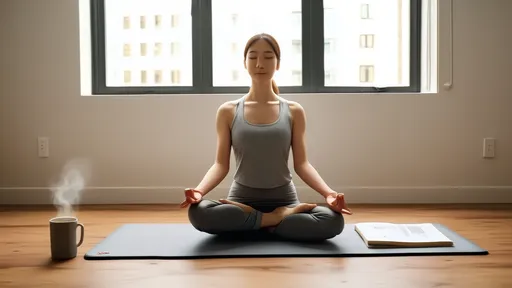
Noise isn't just created by impact; it's also generated by us. Heavy, labored breathing is a natural part of exertion, but it can be audible through walls. This is where the practice of mindful breathing becomes part of the workout. Instead of panting, focus on deep, diaphragmatic breaths. Inhale slowly through your nose, filling your belly, and exhale in a controlled manner through your mouth. This not only helps manage noise but also oxygenates your muscles better and keeps you centered, transforming your workout into a moving meditation. Pair this breath work with focused attention on the muscle you are working. Feel every fiber engage. This mind-muscle connection is a hallmark of effective silent training and enhances the quality of each repetition.
Creating the right ambiance in your apartment can significantly enhance your focus and commitment to a quiet routine. Dim the lights, perhaps light a candle, and play soft music or ambient sounds through headphones, not speakers. This auditory isolation will help you tune out the external world and tune into the subtle sensations of your body. It marks this time as a sacred practice for your well-being, separate from the hustle and bustle outside your door. This ritualistic approach makes the practice more sustainable and enjoyable.
Adopting a silent training regimen in a small apartment is more than a logistical solution; it is a commitment to mindful movement and respectful coexistence. It challenges you to work smarter, not louder, revealing that incredible strength can be built in the quietest of ways. It transforms your perception of fitness from a noisy, grunting endeavor to a personal, almost meditative practice of self-care. In the silent space you create, you will find not only a stronger body but a calmer mind, proving that in the world of fitness, sometimes the most powerful statements are made without making a sound.
By /Aug 25, 2025

By /Aug 25, 2025

By /Aug 25, 2025

By /Aug 25, 2025

By /Aug 25, 2025
By /Aug 25, 2025

By /Aug 25, 2025

By /Aug 25, 2025

By /Aug 25, 2025

By /Aug 25, 2025
By /Aug 25, 2025
By /Aug 25, 2025
By /Aug 25, 2025

By /Aug 25, 2025

By /Aug 25, 2025

By /Aug 25, 2025

By /Aug 25, 2025
By /Aug 25, 2025
By /Aug 25, 2025

By /Aug 25, 2025
