Have you ever noticed how some people's faces turn a vivid shade of crimson after a workout, while others seem to maintain their usual complexion? This common yet curious phenomenon isn't just about fitness levels or exertion—it's a fascinating interplay of physiology, genetics, and individual bodily responses. The sight of a flushed face post-exercise often sparks curiosity, and understanding the science behind it reveals much about how our bodies regulate internal processes under stress.
When we engage in physical activity, our muscles demand more oxygen and nutrients to produce energy. To meet this increased demand, the heart pumps blood at a faster rate, circulating it more vigorously throughout the body. This process, known as increased cardiac output, ensures that working muscles receive the necessary resources. However, it also means that blood flow to the skin, particularly in the face, increases significantly. The tiny blood vessels, or capillaries, near the surface of the skin dilate to accommodate this surge, leading to the characteristic redness we observe. This mechanism isn't arbitrary; it serves a critical purpose in thermoregulation.
As the body works harder, it generates excess heat. To prevent overheating, the body employs various cooling strategies, one of which is diverting warm blood to the skin's surface. Here, the heat can dissipate into the surrounding environment through a process called convection. The face, with its dense network of capillaries and relatively large surface area, becomes a primary site for this heat exchange. Consequently, the visible flushing is essentially a sign that the body is efficiently managing its temperature. Individuals with fair skin may exhibit more pronounced redness due to the higher visibility of blood vessels beneath their skin.
Another factor influencing post-exercise flushing is the release of certain chemicals and hormones during physical exertion. For instance, the body produces nitric oxide, a compound that promotes vasodilation—the widening of blood vessels. This enhances blood flow to muscles and skin, further contributing to the red appearance. Additionally, adrenaline, released in response to exercise stress, can cause temporary changes in blood distribution. While these responses are universal, their intensity varies from person to person, explaining why some individuals blush more dramatically than others.
Genetics also play a pivotal role in determining who turns red and to what extent. Variations in genes responsible for vascular control and skin pigmentation can influence how blood vessels respond to increased blood flow and heat. For example, people with rosacea, a genetic condition characterized by sensitive skin and easily triggered flushing, may experience more intense and prolonged redness after exercising. Similarly, ethnic background can affect how visibly flushed someone appears; those with darker skin tones might show less obvious redness due to higher melanin content, which masks the color change.
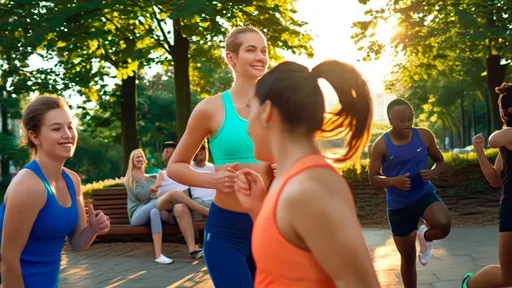
Beyond biology, environmental factors and exercise intensity modulate the flushing response. Exercising in a hot or humid environment amplifies the need for cooling, prompting greater blood flow to the skin and more noticeable redness. Conversely, in cooler settings, the effect might be subdued. The type and duration of exercise matter too: high-intensity interval training or endurance sports like running often lead to more flushing compared to moderate activities like walking, as they place greater demands on the cardiovascular system.
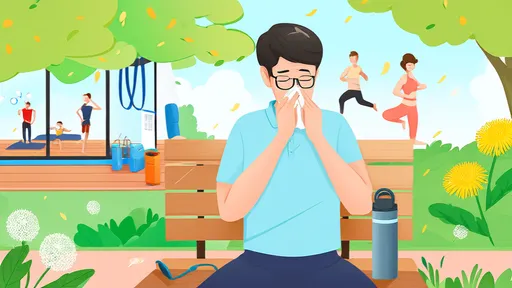
It's worth noting that while exercise-induced flushing is generally harmless and temporary, it can sometimes be mistaken for or coexist with other conditions. For instance, some people might experience exercise-induced urticaria, a form of hives that causes redness and itching, or even flushing associated with allergies. However, these are typically accompanied by other symptoms like swelling or discomfort. In most cases, the redness subsides within minutes to hours after cooling down, as the body returns to its resting state and blood vessels constrict back to their normal size.
Understanding why some people turn red after working out underscores the complexity of human physiology. It's a testament to the body's remarkable ability to adapt and maintain homeostasis under stress. So, the next time you or someone else sports a rosy glow post-exercise, remember—it's not just a sign of effort; it's a visible marvel of biological engineering at work.

By /Aug 25, 2025

By /Aug 25, 2025

By /Aug 25, 2025

By /Aug 25, 2025

By /Aug 25, 2025
By /Aug 25, 2025

By /Aug 25, 2025

By /Aug 25, 2025

By /Aug 25, 2025
By /Aug 25, 2025

By /Aug 25, 2025

By /Aug 25, 2025

By /Aug 25, 2025

By /Aug 25, 2025

By /Aug 25, 2025

By /Aug 25, 2025

By /Aug 25, 2025

By /Aug 25, 2025
By /Aug 25, 2025
By /Aug 25, 2025
