In the dim glow of a theater or the comfort of our living rooms, we’ve all witnessed those iconic movie moments where a character undergoes a physical transformation or performs a breathtaking feat of strength. From the sweat-drenched, gritty training montages of Rocky Balboa sprinting up the Philadelphia Museum of Art steps to the hyper-stylized, almost balletic combat preparations in The Matrix, fitness on screen occupies a unique space between inspiration and pure spectacle. These scenes are not merely filler; they are narrative devices, character builders, and often, the emotional core of a story. But how much of what we see is grounded in physiological reality, and how much is clever artistic fabrication designed to serve the story?
The allure of cinematic fitness lies in its power to visualize internal struggle and triumph. When we watch a character push their body to the absolute limit, we are not just seeing a workout; we are witnessing a metaphor for perseverance, discipline, and the overcoming of personal demons. The montage, a staple of the genre, effectively condenses weeks or months of grueling effort into a few minutes of powerful, music-driven imagery. It’s a shortcut that our brains readily accept because it focuses on the emotional arc—the pain, the exhaustion, the gradual improvement—rather than the monotonous, repetitive reality of actual training. This is where art first diverges from life: the omission of the mundane. Real fitness journeys are filled with plateaus, bad days, skipped sessions, and slow, often invisible progress. Cinema, in its need for narrative economy and emotional punch, naturally glosses over these aspects.
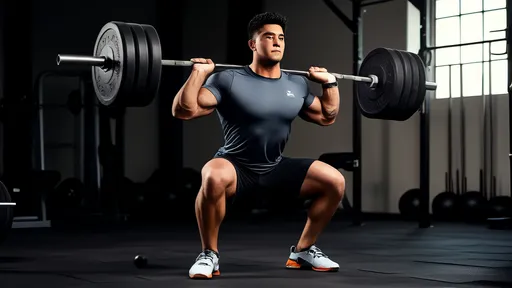
Beyond the narrative compression, there is the matter of the physical feats themselves. Action stars perform superhuman lifts, endless repetitions, and complex gymnastic movements with flawless technique, often immediately after beginning their "training." In reality, such a approach would be a one-way ticket to severe injury. A novice attempting a heavy deadlift with the rounded back often depicted on screen would likely herniate a disc. The instantaneous mastery of advanced skills like Olympic lifts or muscle-ups ignores the years of neuromuscular patterning and mobility work required. The artistry here is in making the incredibly difficult look not only achievable but almost effortless, fueling gym memberships and a sometimes misguided belief in rapid transformation.
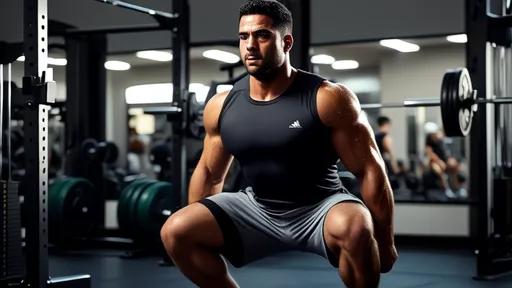
Perhaps the most discussed element is the physiques themselves. The chiseled, single-digit-body-fat muscularity displayed by actors is typically a short-term, extreme state achieved for the specific purpose of filming. It is not a sustainable, healthy lifestyle. This process involves dehydration, extreme dieting, and training protocols overseen by a team of elite coaches, nutritionists, and sometimes, the strategic use of lighting, makeup, and even CGI enhancement. The average person working a 9-to-5 job does not have the resources, time, or need to maintain such a condition. The art embellishment creates an archetype of perfection—an ideal that is physically unattainable for most, leading to what some psychologists call "body image inflation" or unhealthy comparison.
However, to dismiss movie fitness as pure fantasy would be to ignore the genuine effort and expertise that often goes on behind the scenes. Many actors undergo punishingly real training regimens to get as close as possible to the physicality their roles demand. Christian Bale's drastic weight fluctuations and Hugh Jackman's dedicated weightlifting for Wolverine are testaments to a real commitment to the craft. Stunt performers, the unsung heroes of action cinema, must indeed be in peak physical condition to execute dangerous sequences safely. Their fitness is very real. The artistry is in how these authentic elements are framed, edited, and scored to maximize dramatic impact, sometimes stretching the truth but often starting from a place of genuine physical dedication.
The impact of these depictions is a double-edged sword. On one hand, they have inspired millions to embrace fitness, take up boxing, or simply get off the couch. The right movie at the right time can be a powerful motivational catalyst. On the other hand, they can create unrealistic expectations, promote unsafe practices, and contribute to negative self-image when results don't mirror the silver screen. The key for the viewer is to develop a critical eye: to appreciate the cinematic artistry and the metaphorical power of these scenes while understanding their inherent exaggerations. We can be inspired by the determination of Rocky without believing we need to run up flights of stairs or punch sides of beef to get fit.
In the final analysis, fitness in film is a language. It's a visual and emotional language used to tell stories about the human spirit. Its grammar consists of slow-motion shots of straining muscles, the rhythm of a well-chosen soundtrack, and the symbolism of overcoming a physical limit to achieve a moral or personal victory. Its truth is not the literal truth of exercise science, but a larger truth about struggle, growth, and resilience. The sweat on the actor's brow may be glycerin, the lift may be performed with a fake rubber bar, and the physique may be digitally touched up, but the feeling it evokes—the desire to be stronger, to endure, to overcome—is undeniably, powerfully real. That is the magic, and the ultimate justification, of the art embellishment.
By /Aug 25, 2025

By /Aug 25, 2025
By /Aug 25, 2025
By /Aug 25, 2025

By /Aug 25, 2025
By /Aug 25, 2025

By /Aug 25, 2025

By /Aug 25, 2025

By /Aug 25, 2025

By /Aug 25, 2025

By /Aug 25, 2025
By /Aug 25, 2025
By /Aug 25, 2025

By /Aug 25, 2025

By /Aug 25, 2025
By /Aug 25, 2025

By /Aug 25, 2025

By /Aug 25, 2025

By /Aug 25, 2025

By /Aug 25, 2025
